
What working with M&A Advisory has taught me about PR
After more than five years at CRC, I’m no stranger to getting my head around new sectors and specialisms. From…

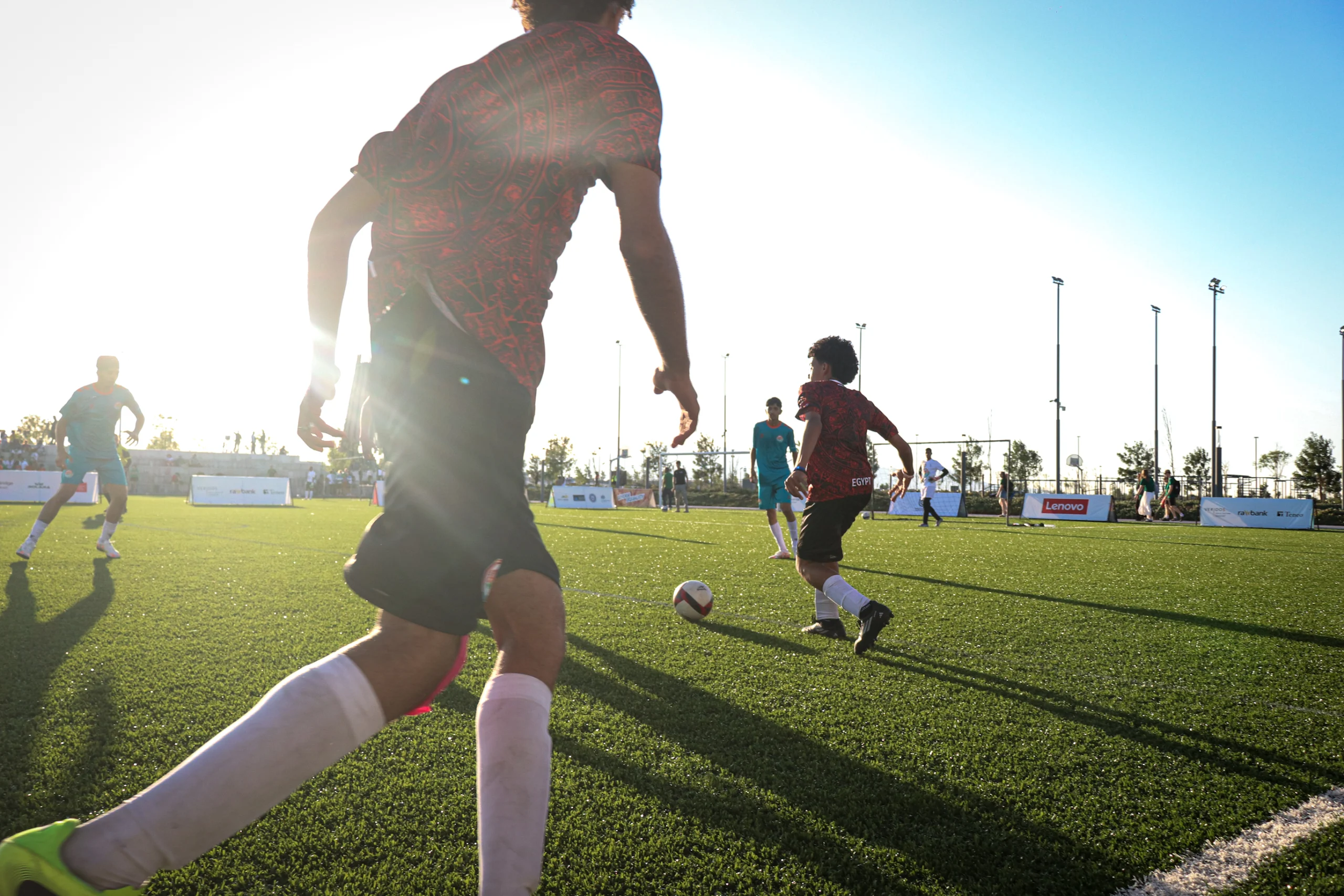
In May, City Road Communications travelled to Mexico for the Street Child World Cup, hosted by Street Child United.
CRC has worked with Street Child United for around two years, supporting the charity with media strategy and messaging, as well as profile-building and communications around its headline international event – the Street Child World Cup. In the months leading up to Mexico, much of that work focused on helping explain the tournament to people who might not know the charity: why the tournament exists, and how football can help create a platform for street-connected young people to be seen and heard.
Two of us were fortunate enough to attend the tournament in person, with Archie in Mexico for the opening week, and Hector there for the second. We were there to support the media team on the ground, working alongside Street Child United, Teneo, Freuds and a wider group of volunteers as the event unfolded.
With the event behind us, and the adult World Cup underway, we wanted to share our team’s experiences in Mexico.
The World Cup that matters
The Street Child World Cup is the most visible expression of Street Child United’s work. The charity uses the power of sport to bring street-connected young people together from around the world, giving them the chance to travel, meet others with shared experiences, represent their countries, and speak about the issues affecting their lives. Football gives the event its structure and much of its energy, but the wider aim is to make sure these young people have a platform to be seen and heard.
Too many street-connected young people remain invisible to official systems and are denied basic rights, including legal identity, access to education, protection from violence and equal treatment. Across the tournament – through football, arts sessions, ‘Congress’ workshops, and finally the General Assembly – the young people were able to talk about those issues in their own words and call for commitments that last beyond the event itself.
This year’s tournament took place in Mexico, in partnership with Fútbol Más and with the support of the Mexican Institute of Social Security, IMSS. Teams travelled from across the world, and the scale of the event was obvious as soon as everyone began arriving at the accommodation complex in Oaxtepec. There were flags, kits, fixtures, celebrations, nerves, and plenty of competitive edge, but also young people dancing together at dinner, swapping shirts, signing each other’s hats and t-shirts, and communicating across languages far more easily than most adults would manage.
Football, late shows and life around the tournament
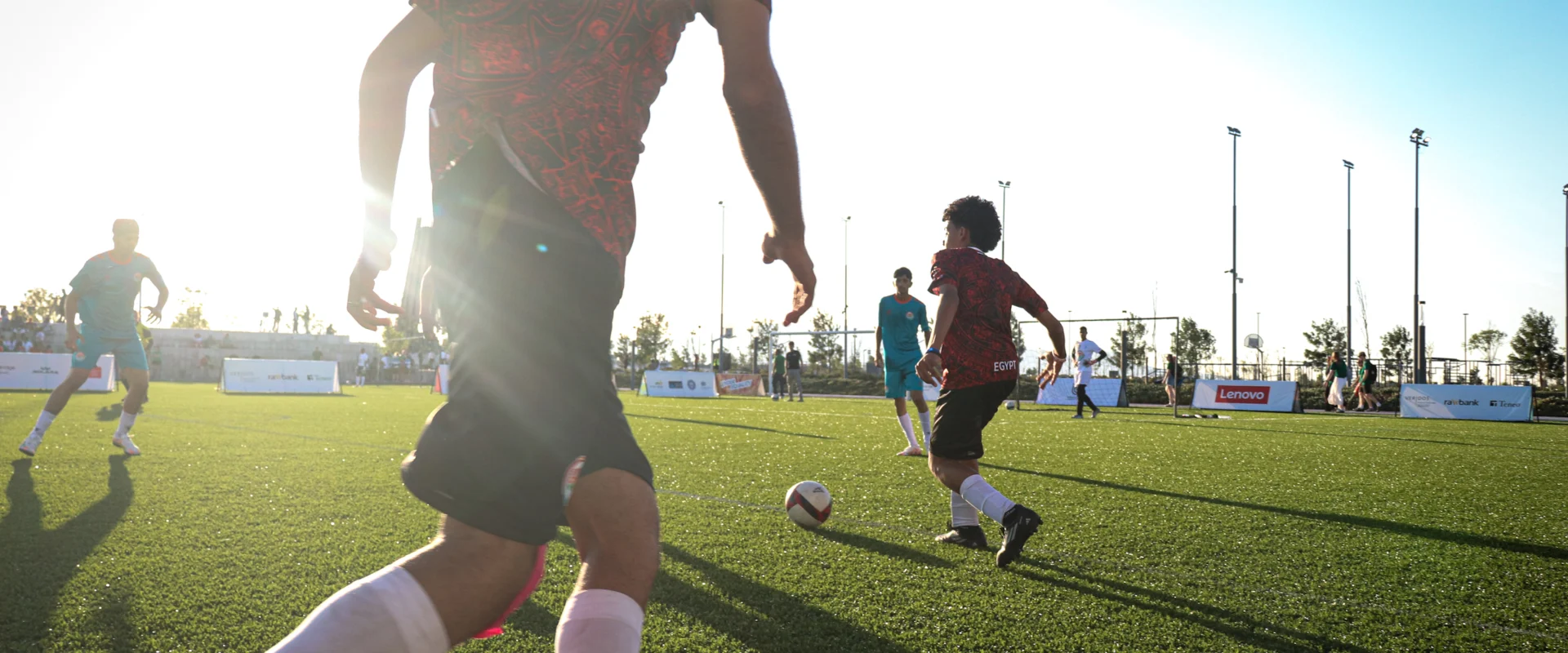
The football was taken seriously from the first whistle. Nobody had travelled to Mexico to politely stand aside and let someone else score, and the matches were competitive, physical, skilful, and emotional. Teams played for their countries and supported the new friends they’d made in a beautiful display of the spirit of international sport.
The evenings in Oaxtepec were electric; the late shows gave teams the chance to perform, sing, dance and share something of themselves, with some performances carefully prepared and others much more spontaneous. Teams from Mexico, Chile, Palestine, and many others took to the stage, young leaders performed in front of packed rooms, and CEO John Wroe was pulled up for the Welsh national anthem. After days full of football, workshops, and travel around the complex, the volume in the room was sometimes hard to believe.
There were several noteworthy cultural interludes: we had visits from mask-clad ‘Lucha” wrestlers who passed out masks, and the young people were invited to add their names, messages, and drawings to a large mural. Some wrote notes to people back home, while others began signing t-shirts, hats and arms.
The week dealt with serious issues, and many of the young people had difficult experiences behind them, but the event itself was full of humour and pride, and the ordinary joy of young people enjoying themselves. Their stories needed to be handled with care, which meant not trying to force their stories in digestible, tragic stories that don’t reflect the people who lived them.
Telling the story responsibly
In the build-up to the tournament, CRC supported Street Child United with messaging, media strategy, interview opportunities and a five-a-side media event designed to help journalists understand the tournament’s purpose. That work helped secure an interview for Street Child United’s CEO, John Wroe, in The Big Issue, published on the opening day.
Once in Mexico, the communications work became more immediate. Working with the wider media team, we helped support daily storytelling, interviews, media outreach, and written updates that allowed stakeholders to follow what was happening on the ground. The tournament involved different languages, time zones, channels, and schedules, and some of the best stories emerged quickly and informally, away from the formal programme.
The more important challenge was making sure the story was told in the right way. It would have been easy to present the Street Child World Cup only through the lens of adversity, especially when media interest naturally gravitates towards the most difficult parts of people’s experiences. Those experiences should not be ignored, but speaking to participants, team leaders, and young leaders made it clear that many of the young people saw the week in much more forward-looking terms. They were proud to be there, proud to represent their countries, and prepared to represent where they came from and what they believed in.
Our work had to reflect that, while reflecting the unbelievable experience of the event itself. The strongest stories came from allowing them to sit at the centre of the coverage as people with views, talent, humour, ambition and something to say, rather than as case studies in a campaign.
The General Assembly and the final day
The final day began at the historic Teatro Hidalgo in Mexico City, where the General Assembly was attended by the President of Mexico, Dr Claudia Sheinbaum, members of U2, and other senior supporters of the tournament.
The young people had spent several days preparing for the Assembly, working with team leaders and young leaders on the messages they wanted to share. On stage, they performed scenes and skits, held up signs, gave speeches and spoke about the issues affecting street-connected young people around the world, including discrimination, abuse, neglect, access to education, gender equality and representation.
It was a powerful morning, and an important reminder that the Street Child World Cup is not only about giving young people a platform, but about making sure the right people are there to listen.
After the General Assembly, the teams travelled to Parque Ecológico Lago de Texcoco for the final stage of the football. The last matches took place under floodlights, with every team still involved in the Cup and Shield competitions competing fiercely one final time.
Brazil and the USA contested the Women’s Shield final, while Indonesia and Argentina met in the Men’s Shield. In the Cup finals, Brazil faced India in the men’s competition, with Mexico Mas Sueños taking on Kenya in the women’s competition.
By the end of the evening, Brazil had won the Men’s Cup, Mexico Mas Sueños had won the Women’s Cup, Brazil had won the Women’s Shield, and Indonesia had won the Men’s Shield.
The closing ceremony followed, with trophies, team awards, music from TikTok star Paul Russell, and a final chance for the young people, team leaders, volunteers, and partners to celebrate the end of the tournament together.
Final thoughts
Our work with Street Child United is some of the most rewarding that we do as an agency.
Mexico was an extraordinary host country, and we were made to feel welcome throughout by the Street Child United team, the young people, the team leaders, partners, volunteers and everyone involved in bringing the tournament together.
The event dealt with difficult themes, but it was lifted by the enthusiasm and personality of the young people themselves. It was inspiring to see, and we are grateful to have been allowed to play a small part in it.
With that in mind, we are proud to support Street Child United, and extremely grateful for the trust they have placed in us. With the 2026 Football World Cup behind us, we’re already looking ahead to the 2027 Street Child Cricket World Cup in Zimbabwe!
Hector Johnston Stewart
Senior Account Manager
Hector Johnston Stewart
Senior Account Manager
Blog
After more than five years at CRC, I’m no stranger to getting my head around new sectors and specialisms. From…
B2B PR, or business-to-business public relations, is the process of building the reputation, visibility and credibility of a company that…
Tasked with building the brand from scratch, the initiative focused on establishing credibility through a robust messaging framework centered on…